Mines predictor is a support term often linked with mines betting, tile choices, and safer reading before each click. This guide is written for members and players at PK111, helping them understand signals, limits of prediction, and clearer round planning.
Simple guide for understanding a Mines predictor
Mines games look simple because each round shows hidden tiles and possible traps. Players choose safe squares, then decide whether to continue or take current winnings. The main pressure comes from rising multipliers and unseen mine positions across the board.
This support tool may show suggested tiles based on records, patterns, outside notes, and simple board history. It does not prove where hidden traps sit in a live round or future payout. Members should see the tool as a guide, not a promise.
At PK111, mines rounds may start with small PHP stakes or USD balances. Players often test different mine counts during quiet sessions before raising tile pressure. A clear record helps compare guesses, results, and later choices.
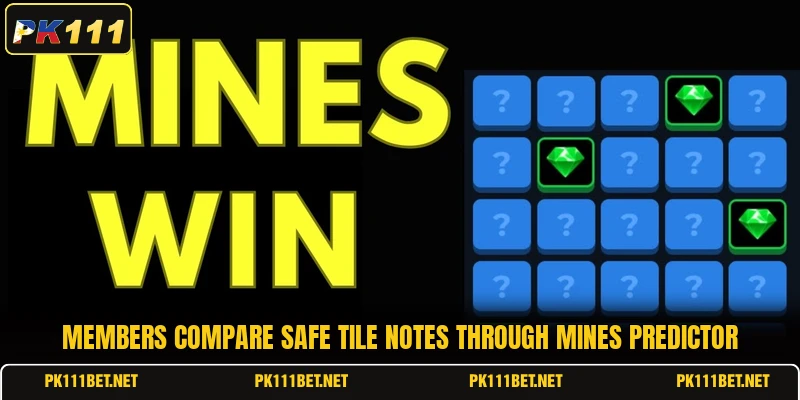
How players interpret mines before opening tiles
Every mines round needs a clear view of tiles, traps, and reward changes. Prediction support becomes easier to judge when members know what each signal means before opening tiles.
Mines predictor reading basics
A Mines predictor often lists safer-looking squares after checking previous game information. Those picks may follow repeated paths, empty zones, or recent result notes from older boards. Still, each new round can create a different tile layout.
Players should compare each suggested square with the selected mine count. Low mine settings usually create wider safe areas and slower rewards. Higher mine settings bring sharper multipliers but fewer safe choices.
A Mines predictor should never be treated as a secret result viewer. It can only support judgment before pressing the next tile. Members gain more value when they review suggestions after every round instead of following blindly.
Grid size and mine count
Grid size tells players how many spaces can hide safe tiles. Mine count shows how many traps are spread inside that layout. Together, these two details shape every possible path from start to finish.
A Mines predictor may look stronger when fewer mines are active. More safe tiles give suggested routes a better chance to survive. Heavy mine settings make every extra click much harder to trust during late turns.
Players can compare PHP 20, PHP 50, or USD 1 rounds calmly. Small stakes make repeated testing less stressful during early sessions for most members. Notes from those rounds reveal which routes fail often.
Cashout timing near multipliers
Multiplier growth makes mines exciting because each safe tile raises the payout. The same growth also increases pressure after every successful click. Players need to read reward changes before chasing another square near higher payout levels.
A Mines predictor may point to another tile, yet cashout can still make sense. A safe route already holding a fair return deserves careful review. Waiting one more click can turn a good result into nothing in seconds.
Members can write down multiplier levels that often feel risky. This creates a personal map of strong and weak moments. Over time, cashout decisions become easier to compare during later visits.
View more: Dice Rules – Learn Roll Outcomes And Payout Paths Now
Result logs and session notes
Result logs show which tiles were picked, missed, or avoided. They also show whether suggested paths matched the final board. These details matter more than memory after several rounds, especially after fast plays.
A Mines predictor can be checked against notes from earlier sessions. Players may see if certain routes repeat success or fail quickly. The aim is to judge signals through records, not guesswork.
Good notes include mine count, chosen grid size, first pick, cashout value, and final outcome. Members can add PHP or USD stake size beside each result. Clear logs make later review faster and less confusing.
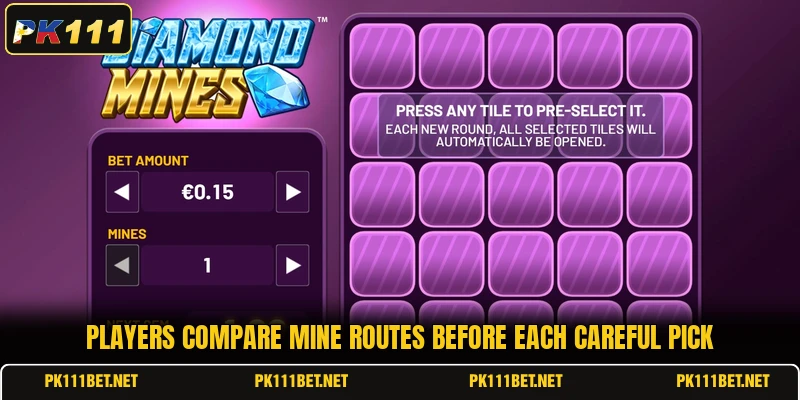
Ways to use indicators during mines sessions
Signals matter most when they help players slow down and compare choices without copying blindly. This reading aid works better as one input among several round details, not a final command.
Starting sessions with fewer mines
Fewer mines can help players study how tile paths behave under lower pressure. The board gives more room to test safe-looking zones. This setting also makes early signal checks easier.
Players may begin with one or two mines for cleaner reading. After several rounds, result notes can show repeated weak spots. Larger trap counts should wait until signals look clearer across several boards.
Small PHP amounts or low USD stakes fit early testing. The goal is to collect enough board records before raising risk. Members should avoid sudden changes after one lucky result.
Reading multiplier tension clearly
Multiplier pressure starts small, then grows with every safe tile. Players can read this pressure beside suggested squares and recent outcomes. A strong signal may still be too late in a round.
A Mines predictor might mark a square after three or four wins. At that stage, one mistake removes the collected payout. Players should compare that risk with the current reward.
Clear reading means checking the board before reacting to excitement or bright multiplier jumps. Members can pause after each safe click and review next steps. This pause keeps choices connected to visible round details.
Avoiding tool assertions with guarantees
Any tool that promises sure wins should be treated carefully. Mines results depend on hidden board outcomes that players cannot fully see. A clean guide explains limits instead of selling certainty.
A Mines predictor with honest signals gives suggestions, not fixed answers. Players should look for simple records and clear tile logic. Claims about guaranteed profit usually create poor expectations.
Members should check whether advice matches real session notes. If results disagree often, the signal may not fit their rounds. Careful review keeps the tool useful without trusting every prompt during future sessions.
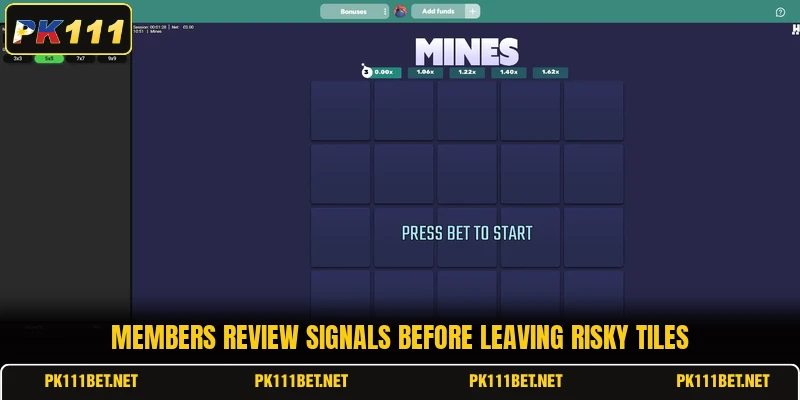
View more Category: Arcade
Conclusion
Mines predictor stays useful when players treat it as a reading aid, not a certain answer. Clear notes, steady tile choices, and simple records make PK111 rounds easier to review. Download the app, register an account, test the game carefully, and may every pick bring luck today.